Hirachand Vikamshi: The Sculptor Who Gave Life to Stone and Form to Memory
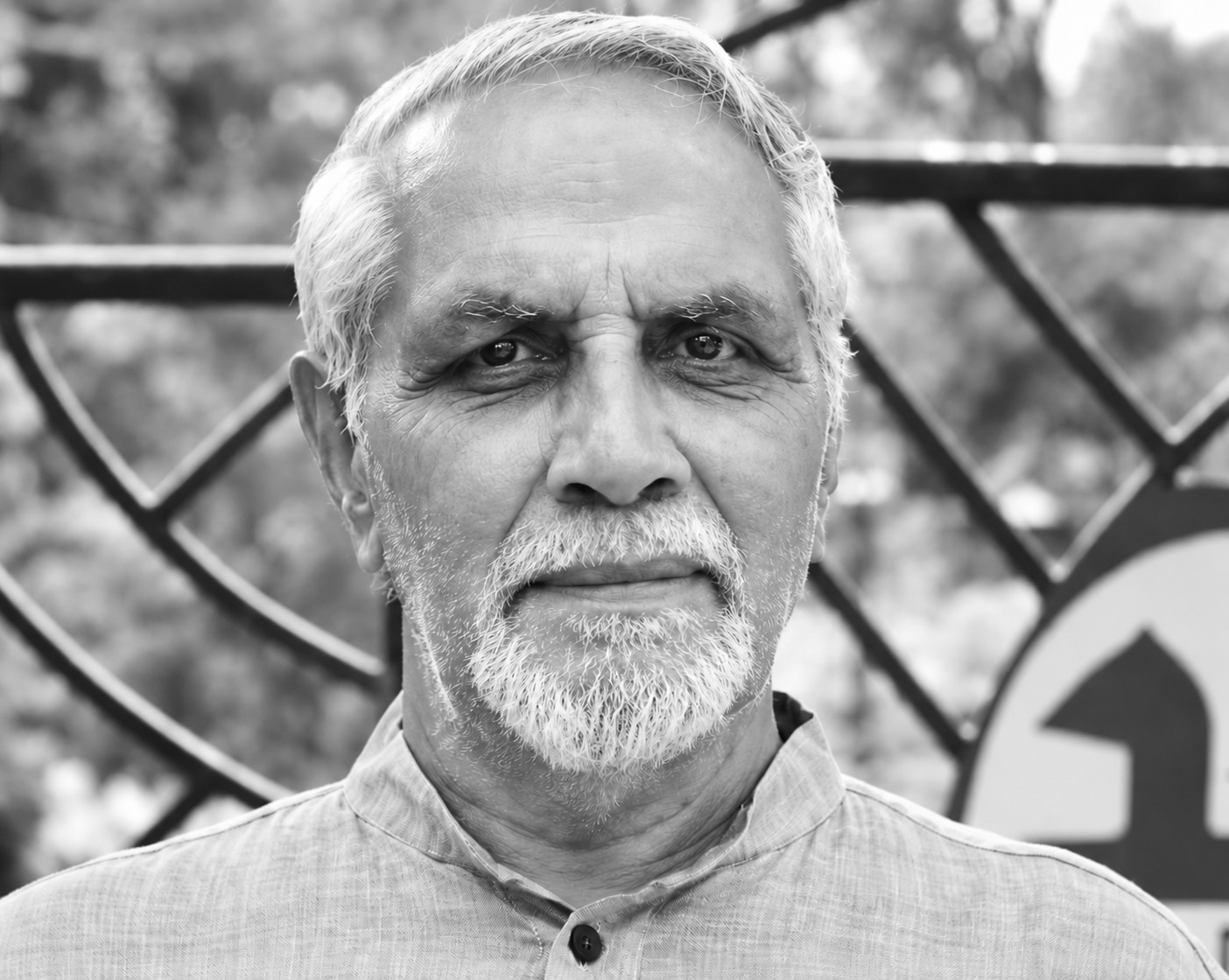
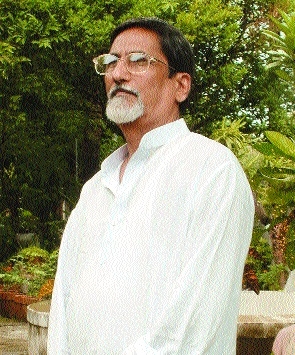
Renowned Nagpur sculptor Hirachand Anandji Vikamshi passed away on 1 November 2026 following a prolonged illness. TRPF pays tribute to the artist whose monumental sculptures and dedication to creative expression enriched India's cultural landscape.
The Indian art community has lost a distinguished sculptor with the passing of Hirachand Anandji Vikamshi, one of Nagpur's respected artistic personalities. His death on 1 November 2026 marks the end of a remarkable creative journey devoted to sculpture, artistic expression and the preservation of cultural and historical identities through public art.
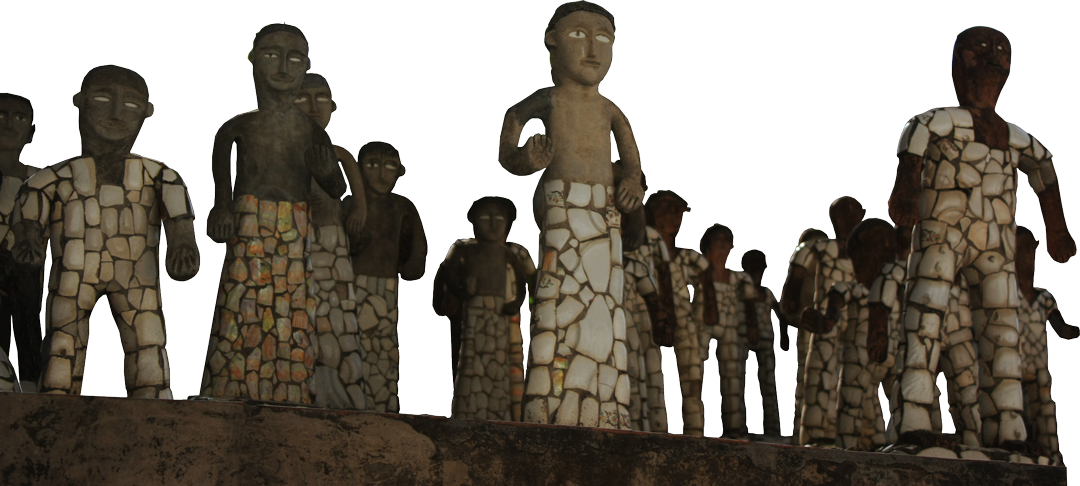
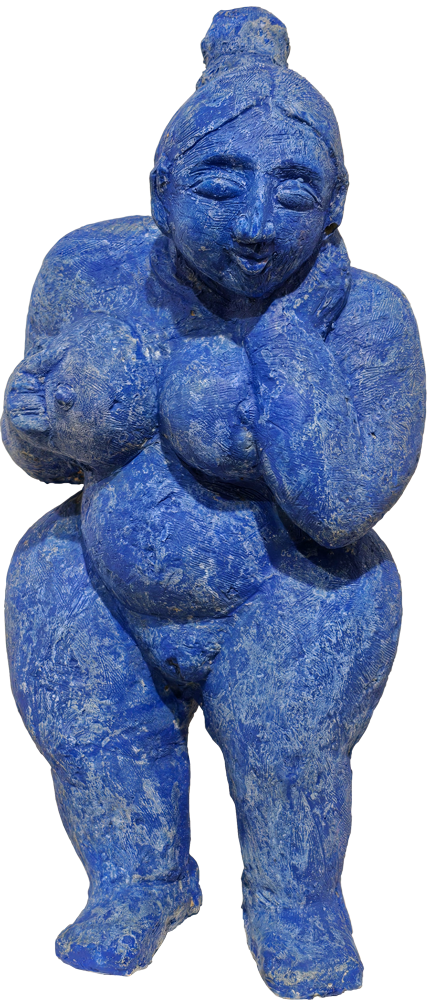
For more than four decades, Vikamshi dedicated himself to transforming clay, bronze, fibreglass and other materials into expressions of human character, spirituality and history. His sculptures were not merely representations of celebrated personalities; they sought to capture the emotions, convictions and inner lives of the individuals they portrayed.
His artistic journey began with an early fascination for sculpture. He received his formative education at Tilak Rashtriya Vidyalaya in Khamgaon, where the guidance of his teacher, Kalacharya Pandhe Guruji, profoundly influenced his understanding of art and life. This relationship between teacher and disciple remained central to his artistic philosophy. For Vikamshi, sculpture required more than technical skill. It demanded the ability to enter the world of the subject, understand its personality and translate that understanding into physical form.
Among his notable achievements was the monumental 30-foot sculpture of Sant Dnyaneshwar, installed at the Pasaydan Garden of Mundle Public School on Wardha Road, Nagpur. The work reflected his ability to combine spiritual expression with architectural scale. He began with a smaller six-foot model before developing the monumental composition, a process that required artistic imagination, technical precision and an understanding of the saint's philosophical significance.
Another work particularly close to his heart was the six-foot sculpture of Kamlatai Hospet, founder of Matru Seva Sangh, installed at its Sitabuldi premises. Vikamshi sought to portray a human quality often overlooked in conventional representations: her smile. Through this sensitive interpretation, he demonstrated that sculpture could communicate the emotional presence of a person rather than simply reproduce outward appearances.
His artistic contributions extended across India. Among his important works was an 18-foot fibreglass sculpture honouring Dr B. R. Ambedkar at the Dragon Palace Temple in Kamptee. His repertoire also included bronze sculptures of Maharana Pratap, Maharaja Agrasen, Chhatrapati Shivaji Maharaj and Bhagat Singh, alongside a large ceramic mural created for the Reserve Bank of India in Mumbai. These works established his presence within the tradition of monumental Indian sculpture and helped bring artistic expression into spaces of public encounter.
Beyond the scale and craftsmanship of his sculptures, Vikamshi understood the importance of cultural continuity. His belief in traditional methods of artistic learning and the relationship between master and student found expression in the artistic environment associated with Alag Angle Community Art Centre at Hazaripahad, Nagpur.
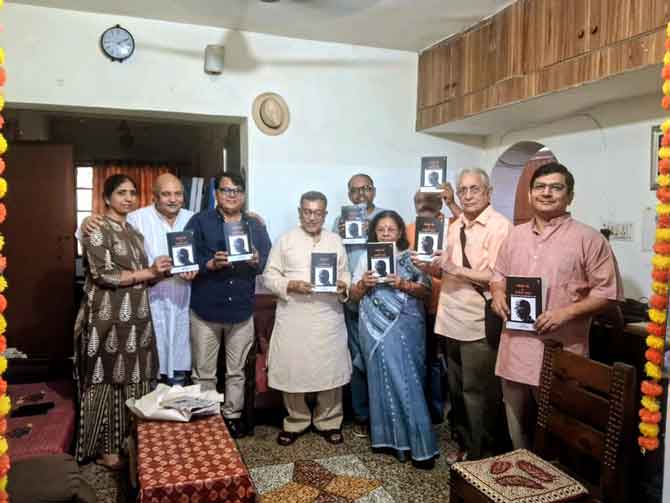
His creative legacy continues through his sons, Tanul Vikamshi and Lalit Vikamshi, both established artists, and through the wider artistic activities of the family. Together with Mili Vikamshi, they have contributed to developing Alag Angle as a space for exhibitions, experimentation, creative exchange and engagement with emerging artists. The continuation of artistic practice across generations remains an important dimension of Hirachand Vikamshi's legacy.
His contribution to Nagpur's cultural environment extended beyond the studio. Through public monuments, artistic engagements and encouragement of younger artists, he became an important presence in the region's visual arts community. His work demonstrated that art need not remain confined to private collections or gallery walls. It could become part of a city's physical landscape, accessible to ordinary people and capable of sustaining cultural memory across generations.
The passing of Hirachand Vikamshi reminds us that the true significance of an artist lies not only in the works created but also in the ideas, knowledge and artistic traditions passed on to others. His sculptures will continue to stand in public spaces, silently communicating the histories and human experiences that inspired their creation.
The Rameshwar Prem Foundation (TRPF) pays its respectful tribute to Hirachand Vikamshi, recognising his contribution to Indian sculpture and his lifelong dedication to artistic expression. His belief in understanding the human character behind every sculptural form resonates deeply with the Foundation's commitment to preserving cultural heritage, documenting creative histories and encouraging artistic engagement across generations.
As the art world remembers a distinguished sculptor, his creations remain living witnesses to a lifetime of dedication.
The artist has departed, but the forms he created will continue to speak to generations yet to come.