TRPF Reconnects Rameshwar Prem's Literary Legacy with the Central Translation Bureau
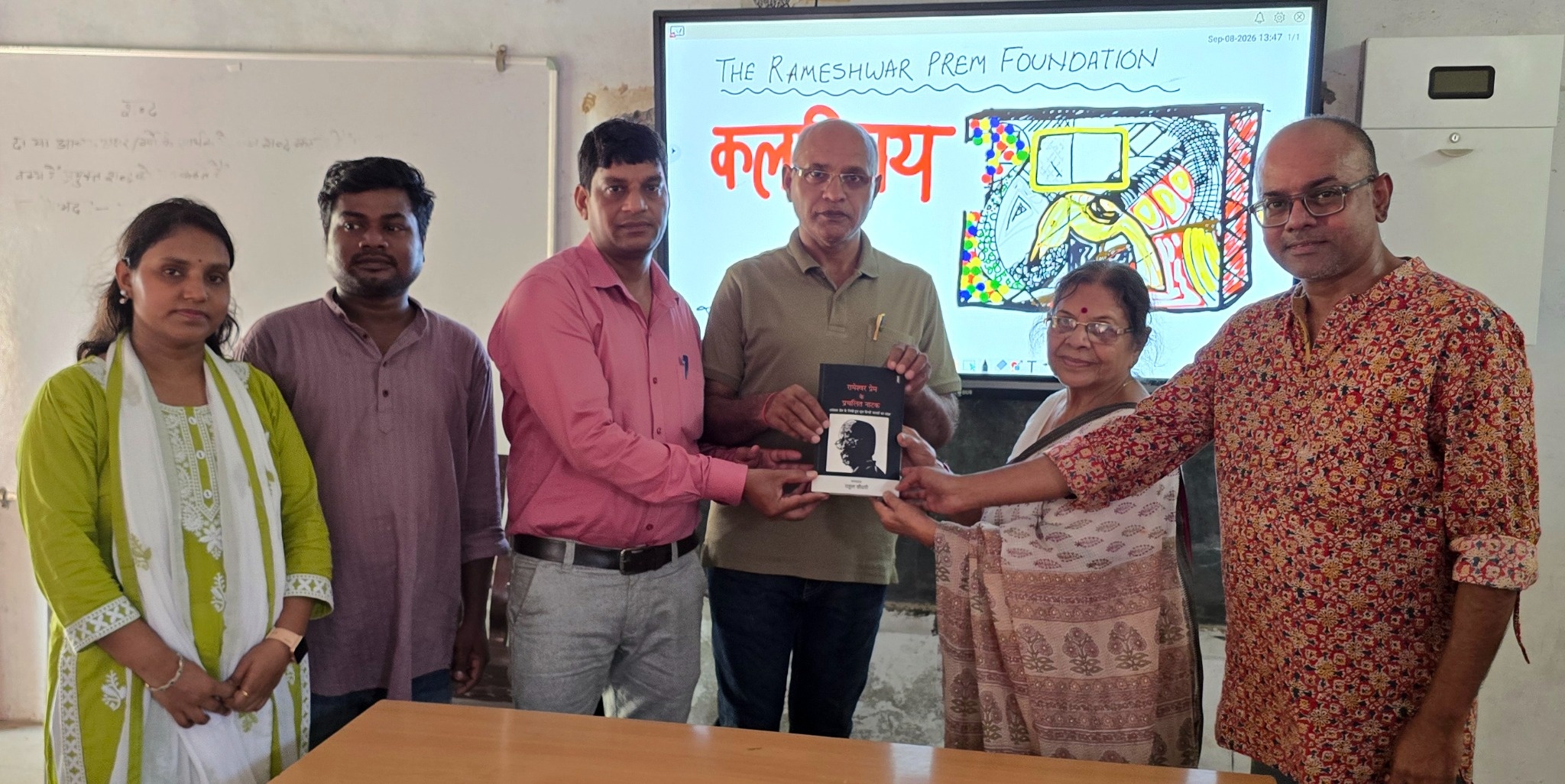
The Rameshwar Prem Foundation commemorates the playwright's long association with the Central Translation Bureau as Co-founder Ms. Usha Chaudhury presents a copy of Rameshwar Prem ke Prachalit Natak to its Director in New Delhi
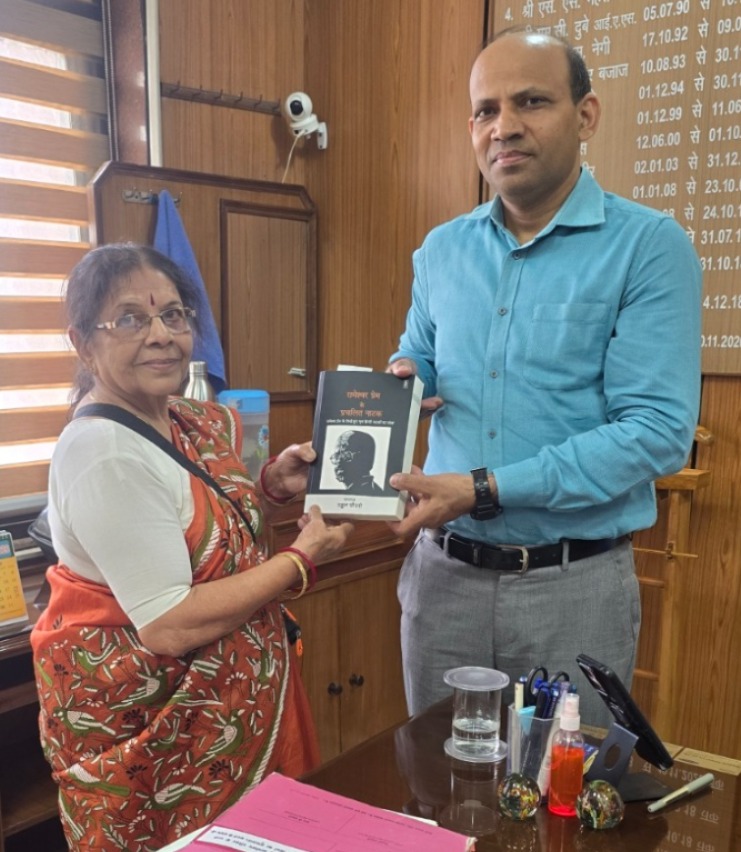
New Delhi, October 2026: In a significant gesture of literary remembrance and institutional recognition, Ms. Usha Chaudhury, Co-founder of The Rameshwar Prem Foundation (TRPF), presented a copy of Rameshwar Prem ke Prachalit Natak (रामेश्वर प्रेम के प्रचलित नाटक) to Lt. Col. Ramnaresh Sharma, listed as Director of the Central Translation Bureau (CTB), at the Bureau's office in CGO Complex, Lodhi Road, New Delhi. The occasion symbolically reconnected the literary contributions of playwright Rameshwar Prem (1943–2023) with an institution that remained closely associated with his professional and intellectual life for several decades.
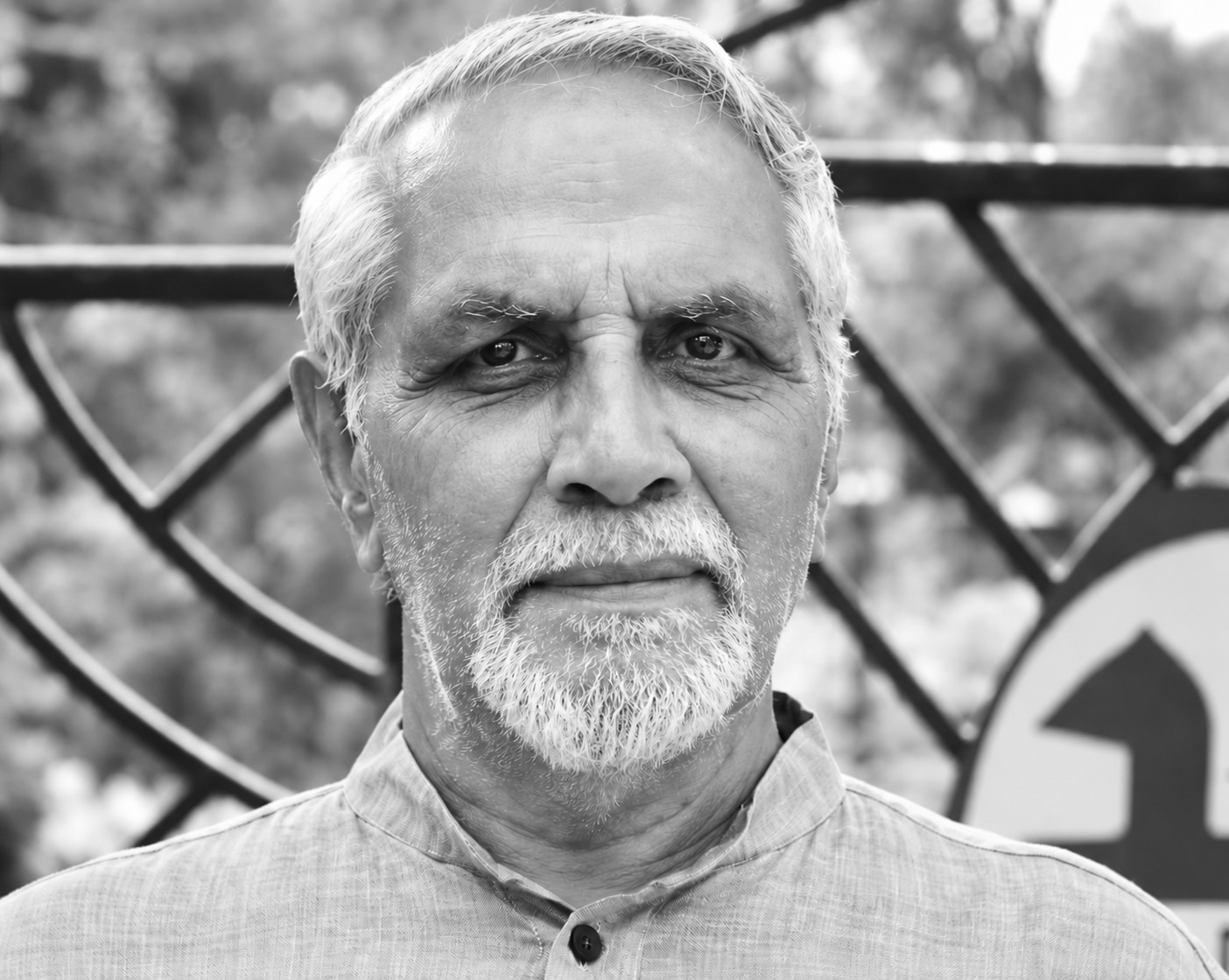
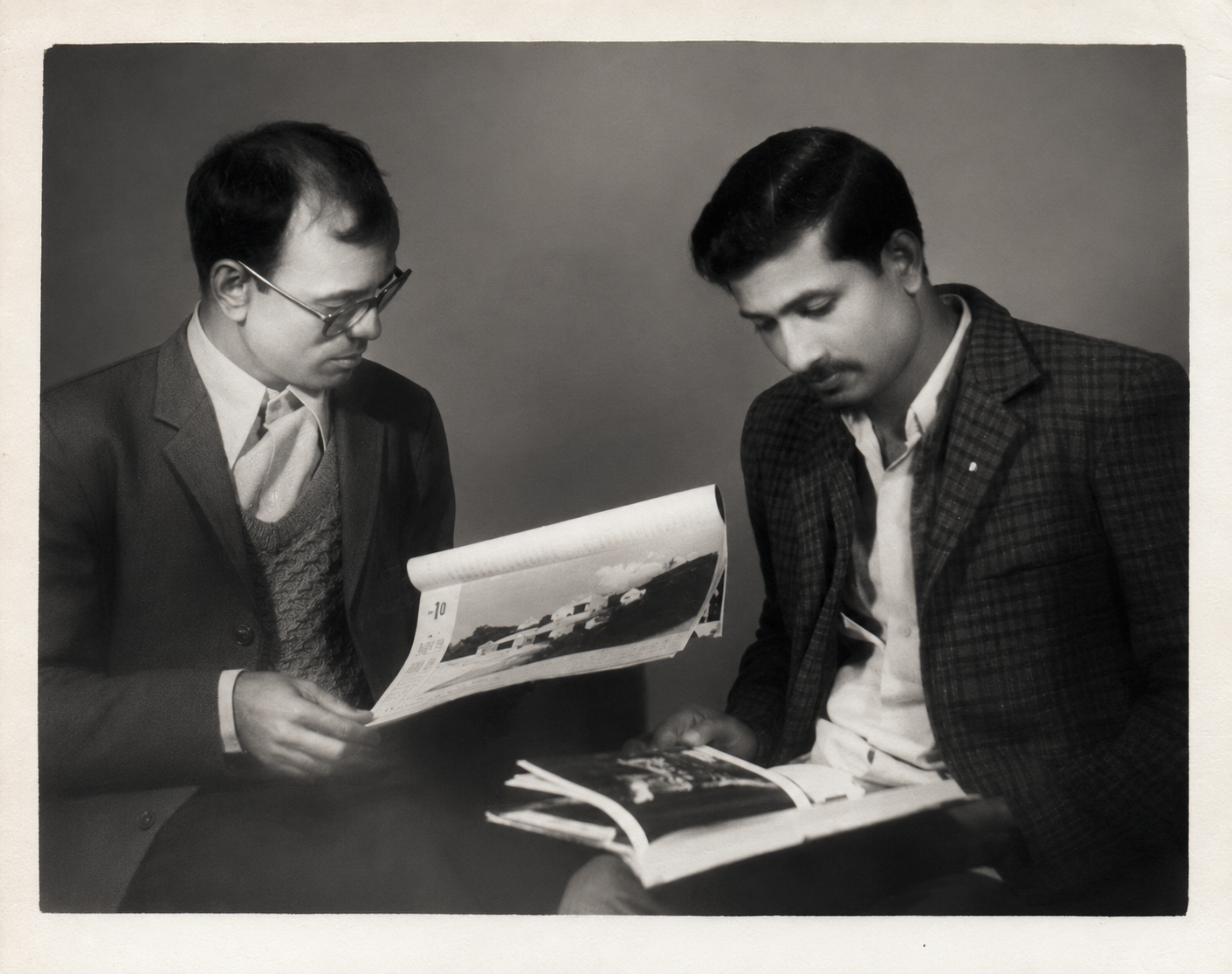
Rameshwar Prem joined the Central Translation Bureau in 1971, the year of its establishment under the Ministry of Home Affairs, Government of India. His long professional association with the Bureau continued through a substantial part of his working life, culminating in his retirement as Assistant Director. Throughout these years, his engagement with language, literature and translation developed alongside an independent and influential career in Hindi theatre. His institutional responsibilities and creative pursuits represented two complementary dimensions of a life devoted to language and artistic expression.
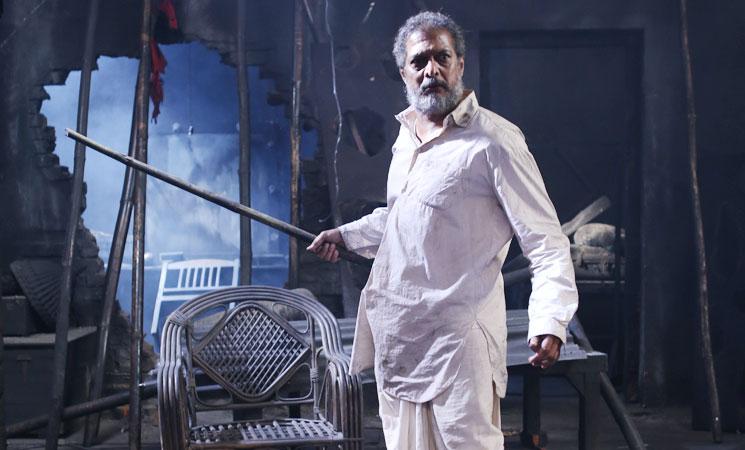
Widely recognised for his contributions to modern Hindi dramatic literature, Rameshwar Prem developed a distinctive theatrical vocabulary through plays exploring social contradictions, political structures, human relationships and existential concerns. Works such as Ajatghar, Charpai, Raja Nanga Hai, Antarang and Shastra Santan established his place within the evolving landscape of contemporary Indian theatre. His writings attracted the attention of theatre practitioners and directors, contributing to important theatrical productions and discussions across the country.
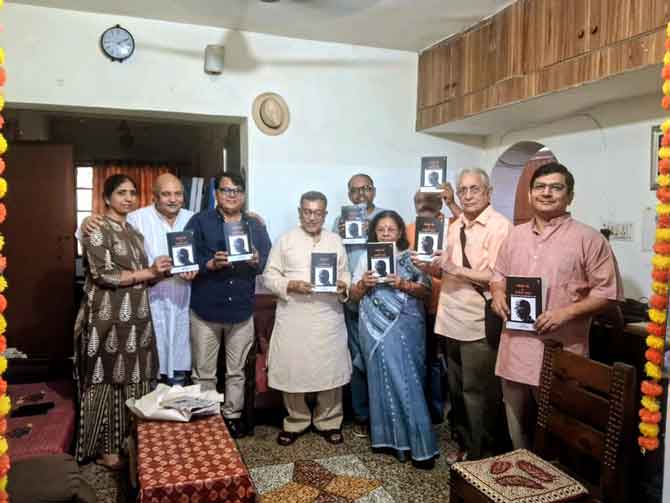
The recently published volume Rameshwar Prem ke Prachalit Natak, brought out by Setu Prakashan Samuh in 2026 and edited by Rahul Chaudhury, brings together a collection of the playwright's original Hindi dramatic writings. The publication represents an important initiative towards preserving and making accessible his literary contributions for contemporary readers, theatre practitioners, researchers and future generations.
For The Rameshwar Prem Foundation, the presentation carries significance beyond the formal exchange of a publication. It acknowledges the often-overlooked relationship between public institutions and the creative lives of individuals associated with them. The Central Translation Bureau was an important part of Rameshwar Prem's professional journey, while his literary achievements extended well beyond the boundaries of government service into the larger cultural and intellectual landscape of India.
Through its continuing initiatives in documentation, publication, research and digital archiving, The Rameshwar Prem Foundation remains committed to preserving the playwright's creative legacy and encouraging renewed scholarly and theatrical engagement with his works. The Foundation's Digital Cultural Archive & Research Centre (DCARC) further seeks to document artistic histories, institutional associations and cultural contributions that deserve sustained public access and recognition.
The presentation at the Central Translation Bureau thus represents an act of remembrance as well as a reaffirmation of the Foundation's larger vision: connecting cultural memory with future creation and ensuring that the contributions of important literary and theatrical figures remain part of India's continuing cultural discourse.