Deva: The Melody of the Streets, the Voice of a Generation
Remembering Devanesan Chokkalingam (1950-2026), the legendary Tamil Composer who brought Chennai's Gaana musical tradition into mainstream cinema.
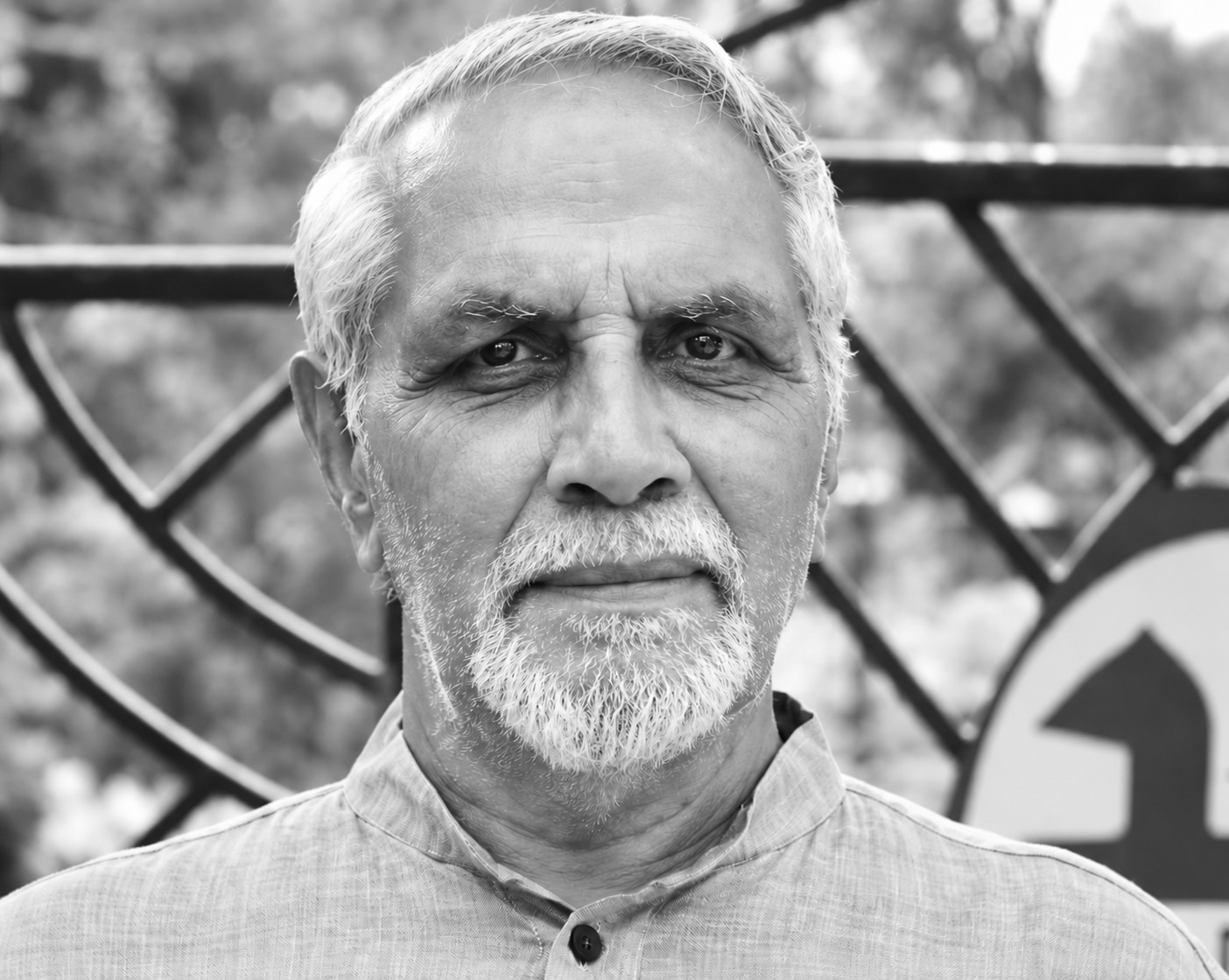
The passing of Devanesan Chokkalingam (20 November 1950-17 October affectionately known as Deva, marks the departure of one of Tamil cinema’s most influential musical voices. Celebrated as Thenisal Thendral, meaning the Breeze of Sweet traditional melodies, regional folk expressions and the vibrant rhythms of Chennai’s streets. His extraordinary career, encompassing compositions for more the 400 films across Tamil, Telugu, Kannada and Malayalam cinema, represents a significant chapter in the cultural history of Indian film music.
Born in Mylapore, Madras, Deva grew up in a modest household where music was both a fascination and an aspiration. His father, a postal department employee and amateur table players, initially discouraged a professional career in music. Undeterred, Deva pursued musical training under Dhanraj Master and J.B.Krishna, developing an understanding of Western musical structures and Indian classical traditions. His early engagements with musical troupes, stage performances and television programmes provided the practical foundations of his compositional language. These experiences gradually shaped his ability to bridge different musical traditions while remaining attentive to the cultural sensibilities of ordinary listeners.
Entering the film industry during the late 1980s, Deva achieved wider recognition with Vaikasi Poranthachu (1990). His subsequent compositions of Annamalai (1992), Baashaa (1995), Aasai (1995), Kadhai Kottai (1996), Arunachalam (1997), Vaalee (1999) and Kushi (2000) established him a distinctive presence in South Indian cinema. His musical associated with Rajnikanth was particularly significant: the celebrated introductory theme developed of Annamalai became an enduring sonic emblem of the actor’s screen identity. Equally important were his romantic compositions, which helped articular the emotional worlds of a new generations of cinematic protagonists.
Perhaps Deva’s most enduring cultural contribution was his popularization of Gaana, a rhythm, expressive musical tradition rooted in Chennai’s working-class neighbourhoods. Drawing upon colloquial Tamil, everyday experiences and collective urban identities, Gaana existed largely outside the conventions of mainstream film composition. Deva recognized its vitality and incorporated its musical character into widely circulated cinematic soundtracks. In doing so, he expanded the expressive possibilities of popular film music and provided greater visibility to a tradition closely associated with the social and cultural life of the city. His achievement demonstrates how regional artistic expressions can enter mass culture while retaining their distinctive local identity.
Deva’s artistic significance extended beyond commercial success. Working during an exceptionally innovative period alongside composers such as Ilaiyaraaja and A.R.Rehman, he cultivated a recognizable musical language characterized by melodic accessibility, rhythmic immediacy and emotional directness. His versatility allowed him to move between devotional compositions, romantic ballads, folk-based songs and dramatic background scores. His contributions were acknowledged through honours including the Tamil Nadu government’s Kalaimamani distinction and State Film Awards. His musical legacy also continued through his son, composer Srikanth Deva, and the contributions of his brothers Sabesh and Murali.
Deva’s influence was not confined to India. His compositions found devoted audiences among Tamil-speaking communities internationally, particularly in Malaysia and Singapore, where his concerts continued to attract enthusiastic listeners. As recently as March 2026, he performed a major concert in Penang, demonstrating the continued resonance of his music across generations. His enduring popularity illustrates the capacity of regional cinema and music to preserve cultural identity beyond geographical boundaries.
Deva died in Chennai on 17 October 2026, aged 75, leaving behind a musical inheritance that transcends the boundaries of cinema. His artistic journey reflects the relationship between popular culture and collective memory, particularly the transformation of everyday sounds into enduring cultural expressions. His compositions remain not merely songs associated with particular films but also auditory documents of changing social experiences, linguistic identities and popular aspirations. In remembering Deva, we recognize a composer who gave cinematic expression to the sounds of the streets and, through them, helped preserve the musical character of an era.