Jogen Chowdhury (1939–2026): The Human Condition in the Language of Line
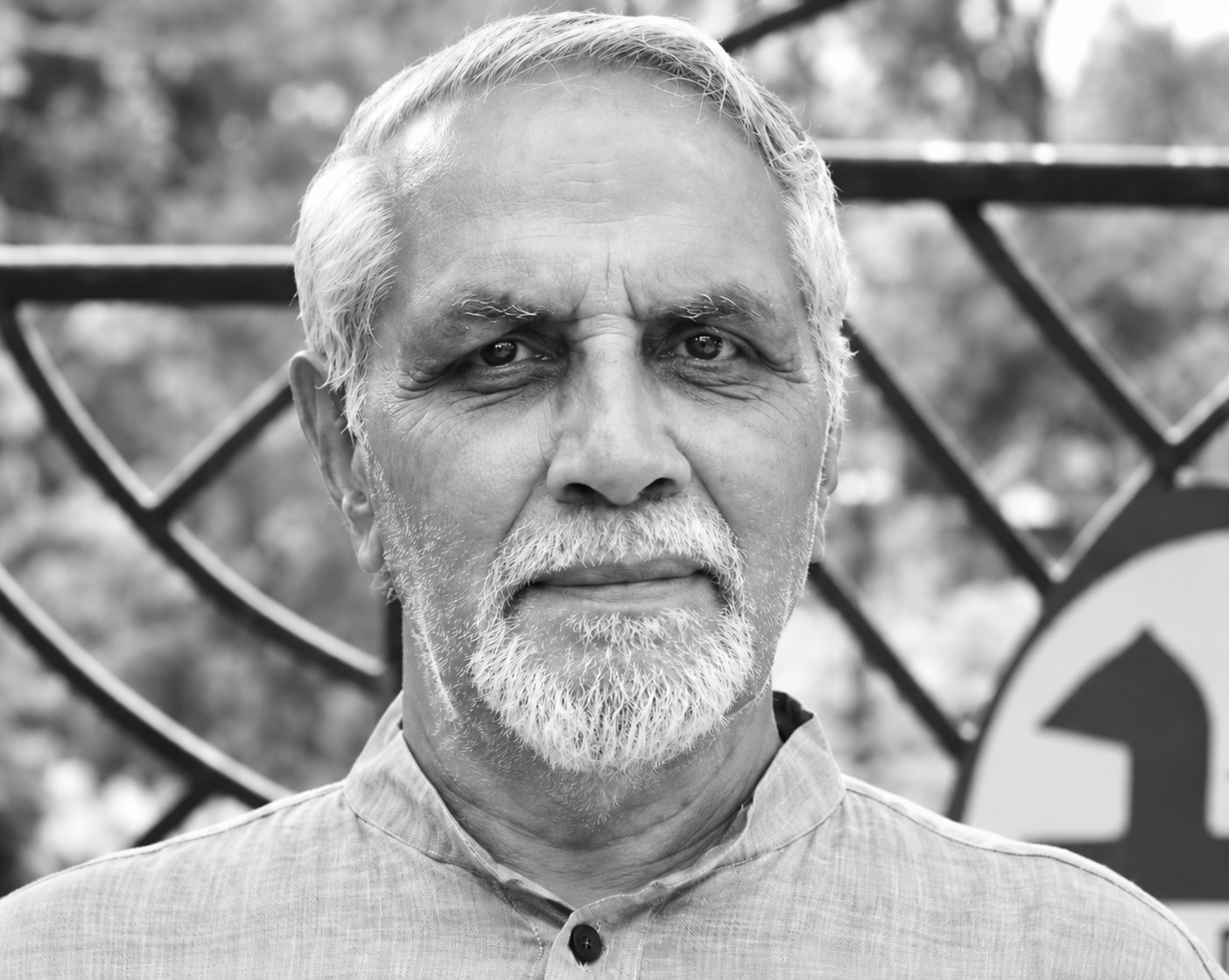
The Rameshwar Prem Foundation pays tribute to Jogen Chowdhury (1939–2026), a distinguished figure in Indian modern art whose expressive drawings, intricate cross-hatching and psychologically charged human figures transformed the visual language of contemporary Indian painting.
The passing of Jogen Chowdhury on 25 October 2026, at the age of 87, marks the loss of one of the most influential figures in post-Independence Indian art. Celebrated for his extraordinary command over line, distinctive cross-hatching technique and psychologically charged figurative compositions, Chowdhury created an unmistakable artistic vocabulary that explored the complexities of human existence.
Born on 16 February 1939 in Daharpara, Faridpur, in undivided Bengal, now Bangladesh, Chowdhury experienced the social and emotional upheavals associated with Partition. His family's migration to Calcutta exposed him to displacement and uncertainty, experiences that would subsequently influence the psychological intensity of his artistic expression.
He studied at the Government College of Art and Craft, Calcutta, between 1955 and 1960, before pursuing advanced artistic training in Paris. His exposure to European modernism, combined with his understanding of Bengali artistic traditions, helped him develop an individual visual language.
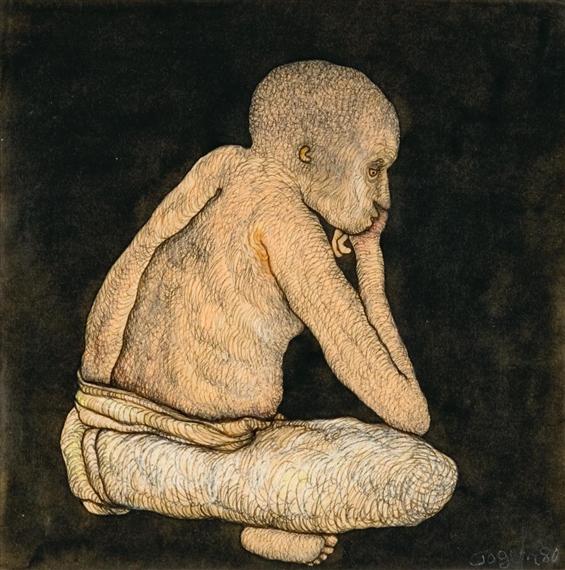
Chowdhury's artistic achievement lies particularly in his treatment of the human figure. Through rhythmic contours, intricate networks of lines and carefully controlled tonal variations, he transformed ordinary bodies into powerful expressions of vulnerability, desire, anxiety and social contradiction.
His figures frequently appear distorted, introspective or isolated within ambiguous pictorial spaces. Rather than pursuing conventional anatomical accuracy, Chowdhury employed exaggeration as an expressive device. The resulting images convey the emotional and psychological complexities of contemporary life.
His artistic practice drew upon traditional Bengali visual culture, including Kalighat painting and decorative folk traditions, while remaining deeply engaged with modern artistic developments. Working primarily with pen and ink, pastel and watercolour, he demonstrated that drawing could function as an autonomous and intellectually powerful artistic medium.
Beyond his individual artistic achievements, Chowdhury made significant contributions to India's cultural institutions. He served as Keeper of Art at Rashtrapati Bhavan, New Delhi, before joining Kala Bhavana at Visva-Bharati University, Santiniketan, in 1987. As an educator and mentor, he influenced generations of artists and encouraged the development of independent artistic expression.
His work received considerable national and international recognition. Among his distinctions was the Kalidas Samman, awarded in 2001. His paintings and drawings have been exhibited extensively in India and abroad and remain represented in important institutional and private collections.
Chowdhury's contribution also extended into cultural organisation and public life. He served as a member of the Rajya Sabha between 2014 and 2020. His establishment of Charubasona, an institution devoted to art and cultural preservation in Kolkata, reflected his enduring commitment to artistic education, documentation and public engagement.
The significance of Jogen Chowdhury's work extends beyond its formal inventiveness. Through the expressive possibilities of line, he articulated the uncertainties of modern existence, the contradictions of human relationships and the relationship between individual experience and social reality.
For The Rameshwar Prem Foundation, his legacy carries particular significance in understanding the relationship between artistic practice, cultural memory and documentation. His work demonstrates how visual expression can preserve not only the appearance of an era but also its emotional and psychological character.
Jogen Chowdhury leaves behind an extraordinary artistic legacy that will continue to inspire painters, students, researchers and cultural institutions.
His distinctive language of line remains an enduring contribution to the history of Indian modern art.
The Rameshwar Prem Foundation pays its respectful tribute to the artist and his remarkable contribution to India's cultural heritage.
Born on 16 February 1939 in Daharpara, Faridpur, in undivided Bengal, now Bangladesh, Chowdhury experienced the social and emotional upheavals associated with Partition. His family's migration to Calcutta exposed him to displacement and uncertainty, experiences that would subsequently influence the psychological intensity of his artistic expression.
He studied at the Government College of Art and Craft, Calcutta, between 1955 and 1960, before pursuing advanced artistic training in Paris. His exposure to European modernism, combined with his understanding of Bengali artistic traditions, helped him develop an individual visual language.
Chowdhury's artistic achievement lies particularly in his treatment of the human figure. Through rhythmic contours, intricate networks of lines and carefully controlled tonal variations, he transformed ordinary bodies into powerful expressions of vulnerability, desire, anxiety and social contradiction.
His figures frequently appear distorted, introspective or isolated within ambiguous pictorial spaces. Rather than pursuing conventional anatomical accuracy, Chowdhury employed exaggeration as an expressive device. The resulting images convey the emotional and psychological complexities of contemporary life.
His artistic practice drew upon traditional Bengali visual culture, including Kalighat painting and decorative folk traditions, while remaining deeply engaged with modern artistic developments. Working primarily with pen and ink, pastel and watercolour, he demonstrated that drawing could function as an autonomous and intellectually powerful artistic medium.
Beyond his individual artistic achievements, Chowdhury made significant contributions to India's cultural institutions. He served as Keeper of Art at Rashtrapati Bhavan, New Delhi, before joining Kala Bhavana at Visva-Bharati University, Santiniketan, in 1987. As an educator and mentor, he influenced generations of artists and encouraged the development of independent artistic expression.
His work received considerable national and international recognition. Among his distinctions was the Kalidas Samman, awarded in 2001. His paintings and drawings have been exhibited extensively in India and abroad and remain represented in important institutional and private collections.
Chowdhury's contribution also extended into cultural organisation and public life. He served as a member of the Rajya Sabha between 2014 and 2020. His establishment of Charubasona, an institution devoted to art and cultural preservation in Kolkata, reflected his enduring commitment to artistic education, documentation and public engagement.
The significance of Jogen Chowdhury's work extends beyond its formal inventiveness. Through the expressive possibilities of line, he articulated the uncertainties of modern existence, the contradictions of human relationships and the relationship between individual experience and social reality.
For The Rameshwar Prem Foundation, his legacy carries particular significance in understanding the relationship between artistic practice, cultural memory and documentation. His work demonstrates how visual expression can preserve not only the appearance of an era but also its emotional and psychological character.
Jogen Chowdhury leaves behind an extraordinary artistic legacy that will continue to inspire painters, students, researchers and cultural institutions.
His distinctive language of line remains an enduring contribution to the history of Indian modern art.
The Rameshwar Prem Foundation pays its respectful tribute to the artist and his remarkable contribution to India's cultural heritage.